AI’s problem in Luxury branding is not automation itself, it’s the disappearance of visible authorship.
The distinction between premium brands and luxury brands as always been synonymous with craftsmanship, heritage and exclusivity, but what with the rise of text-to-image advertising and content creation luxury brands are seeing a drop in perceived value, and reputation.
A 2026 study involving 834 luxury consumers found that perceived craftsmanship was built around superior quality, inherited skill, dedication and a grounded human quality. It positively influenced brand loyalty through both hedonic pleasure and a deeper sense of purpose.
Research also found a consistent preference for human-generated artwork over AI-generated artwork, despite AI-Generated campaign out-performing human-made ones (when the consumer was unaware of the fact). Once a brand discloses the use of AI-generated imagery in its advertising it leads to lower perceived effort, regardless of brand type.
Research shows that consumers use perceived human effort as a signal of authenticity. The truth is text-to-image generative content needs art direction and cannot substitute for original strategic thinking. The result is leaving luxury brands feeling like they are all style and no substance, leading consumers to perceive a brand as lacking empathy, authenticity and craftsmanship.
As advertising platforms introduce more visible AI-transparency mechanisms, brands may no longer be able to assume that the production method will remain invisible to the audience. For example, Google introduced a “How this ad was made” panel in July 2026, automatically identifying content created with its own generative tools.
What counts as proof of authenticity?
1. The origin of an idea?
Where did the idea come from? Avoid language such as ‘inspired by…’ name the real reference, place, person or experience that sparked the idea.
2. Proof of skill and expertise
Who created it? Name the designer, illustrator, formulator, photographer creative director. Showcase their knowledge, story and how did they contribute.
A simple visual is no longer proof that a human hand was involved. Brands must now make authorship traceable. Craftsmanship and human creativity contributes to a brands loyalty.
3. Proof of Process
Show how an idea was thought out, drafted and executed? The pitfalls, the challenges, the rejected directions. Process are valuable and part of the brand story. It revels judgement. Avoid generic BTS footage.
4. Proof of continuity
Demonstrate how the founding idea weaves into the greater narrative of their overall result. From concept to completion. Authenticity becomes more credible when an idea can be traced across an entire brand world.
The Founder-Led Brands Keeping Craft at the Centre:
1. Poléne
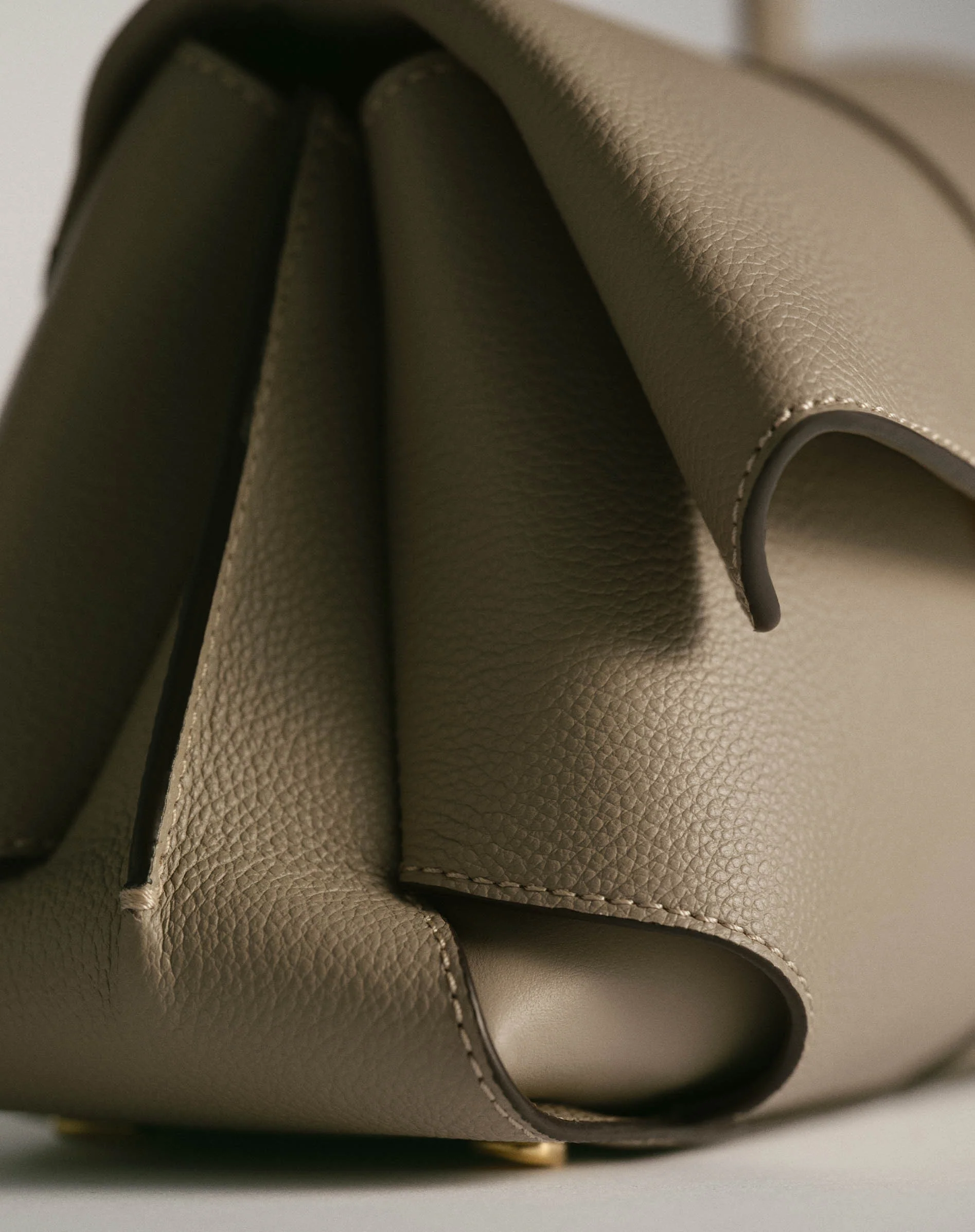
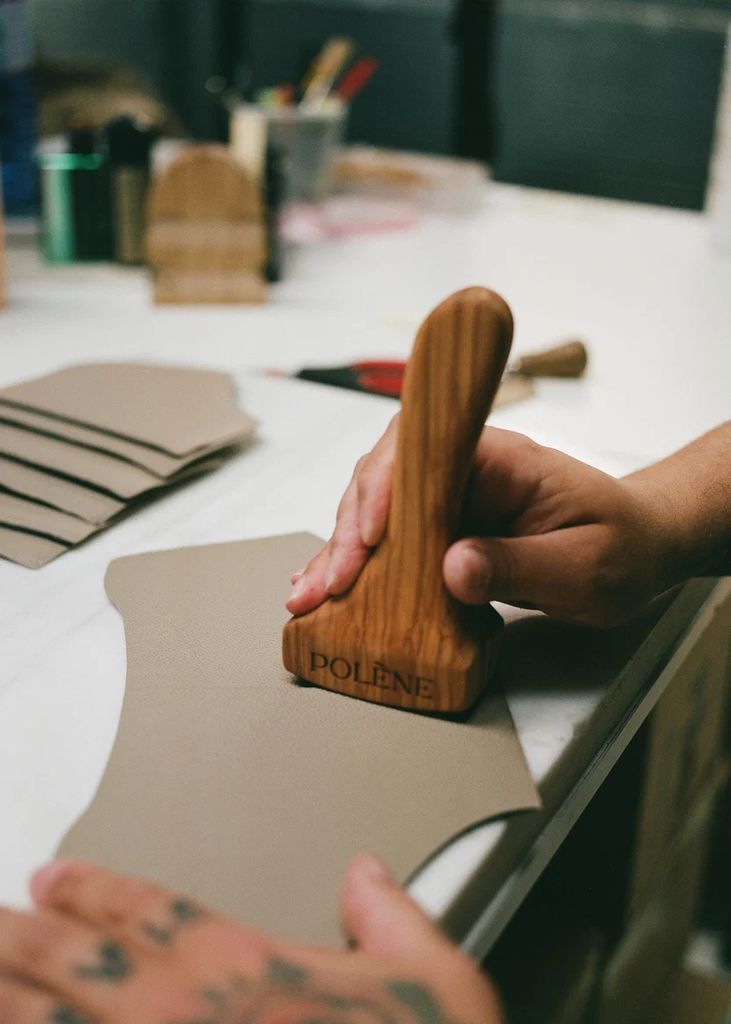
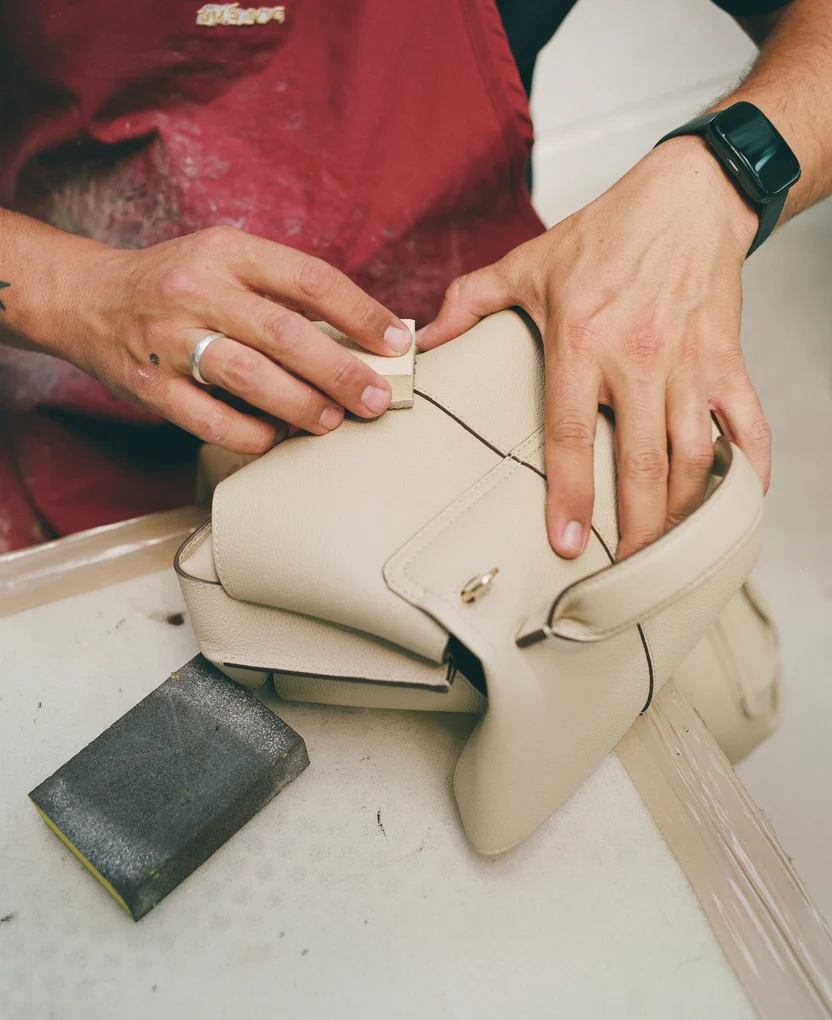
Poléne is a masterclass in quiet luxury. The Parisian house earns its value throufh considered design and clear provenance, with every bag designed in Paris and handmade in Ubridque, Spain, a town with generations of leather working expertise.
Poléne has taken this further by embracing one of retail’s defining trends: the immersive brand experience. Today’s consumers want to understand how something is made, not just own it, and Poléne answers that by bringing its artisans into the spotlight. differentiator is turning craftsmanship into experience. At its Leather Florist pop-up, an Ubrique trained artisan handcrafted each leather flower on site, while the Atelier de Curiosites in its Champs-Elyesees store walks visitors through each stage of making a bag. Customers can observe the dexterity of the hand from start to completion, and seeing that skill first hand buils trust and gives real meaning to each considered piece.
The same transparency shapes its operations. Every stage of production happens within five km, reducing unnecessary transport, and its leather flowers are made from up cycled offcuts. Its sustainability comes from real operational choices rather than marketing language, exactly what today’s conscious consumer is looking for.

2. e11even
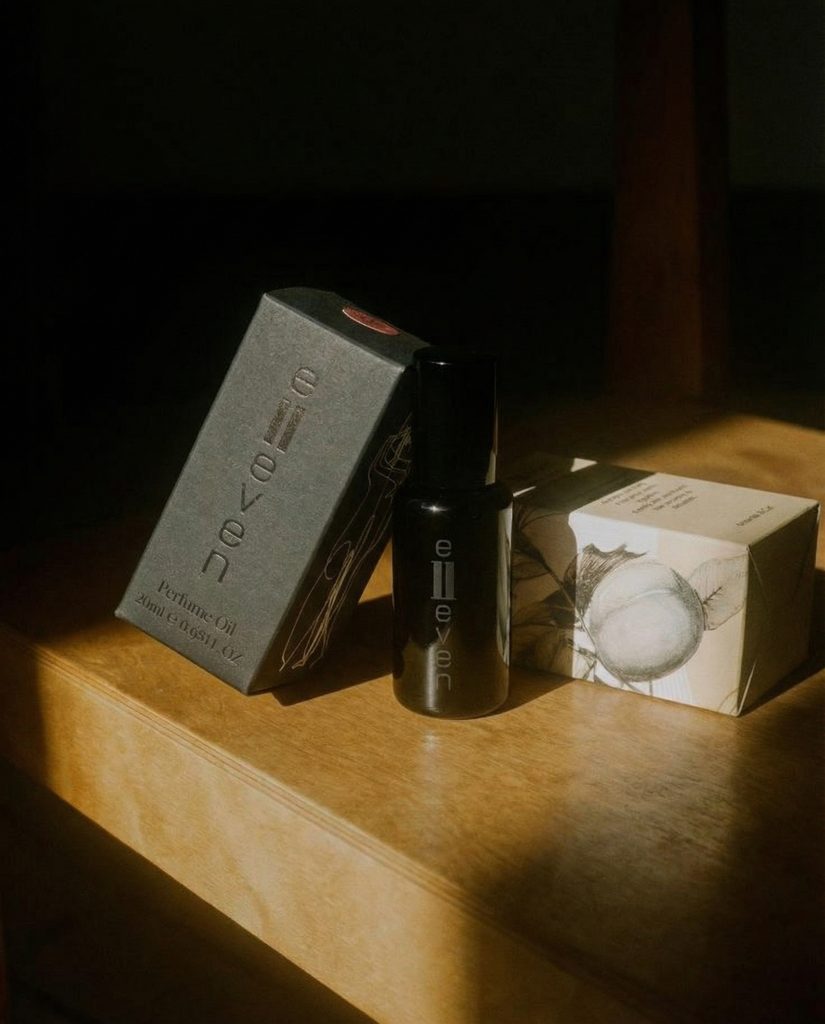
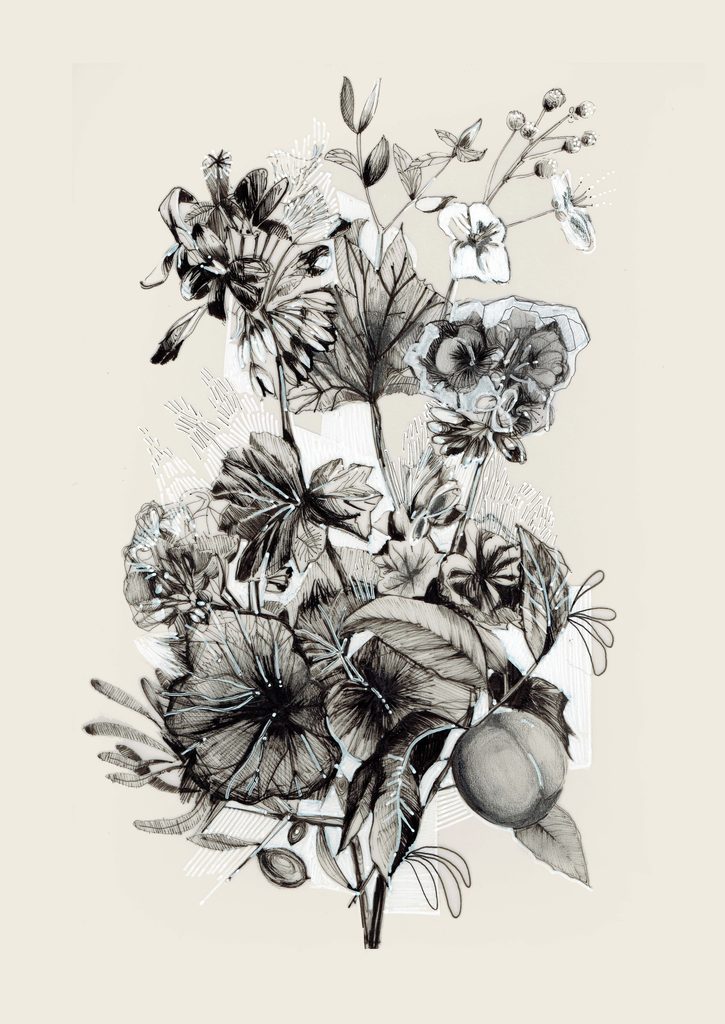
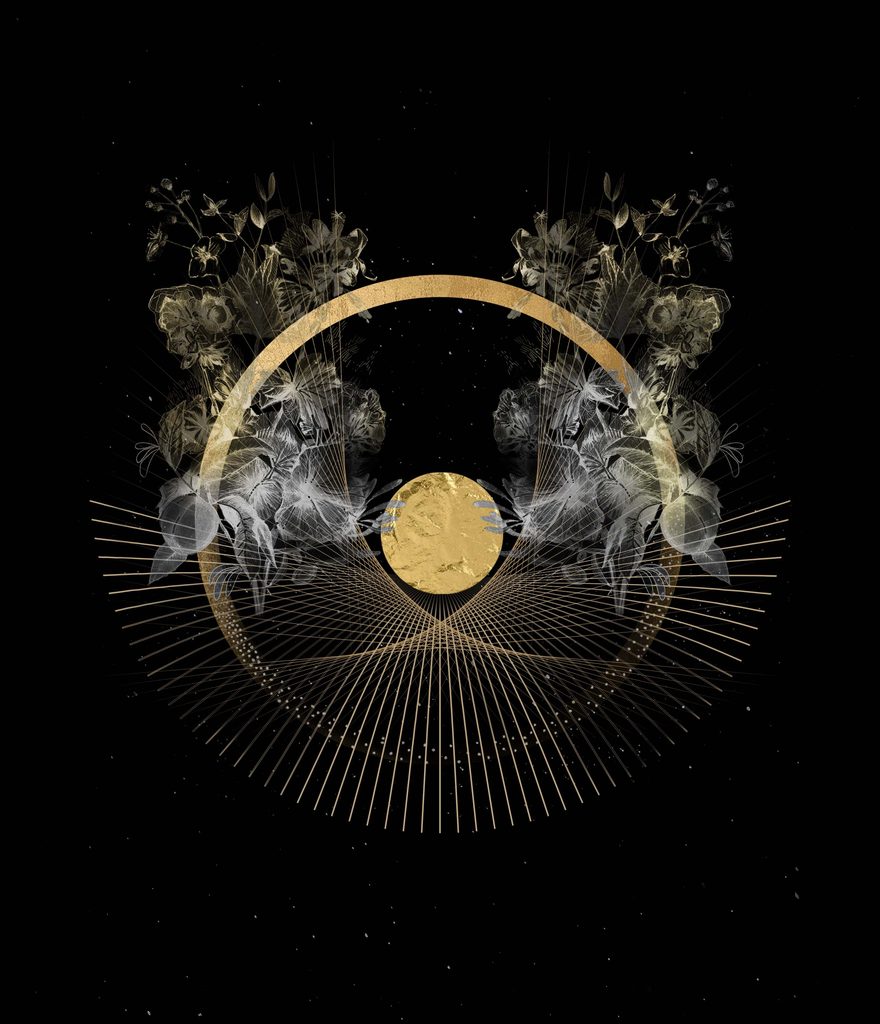
e11even began as a secret. Back in 2005, makeup artist Amanda Grossman mixed her friend Cat Deeley a vial of her fragrance oil, and it went on to become the cult backstage scent of Amanda’s clients. After years of request, the pair launched e11even, a luxury wellness fragrance that’s editorial, chic and unisex. It’s name reflects its mindful approach, the number 11 represents two pillars forming a gateway to awareness and consciousness.
Amanda’s original blend was reflected with leading fragrance experts and is hand-blended in the UK with pure essential oils, then bottled in MIRON Violet glass to protect the potency of its natural ingredients. The human touch extends to the packaging, where the brand commissioned London-based artist Karimah Hassan, to create their iconic artwork. It’s a product shaped by years of Amanda’s instinct, long before it reached a shelf.
The result is a fragrance made for the conscious consumer. It’s vegan, cruelty free and free from alcohol, palm oil, and parabens, with responsibly sourced ingredients and eco conscious packaging. Part fragrance and part skin treatment, it shifts your mood, whether that’s calm before a board meeting or a lift backstage.
3. Sézane
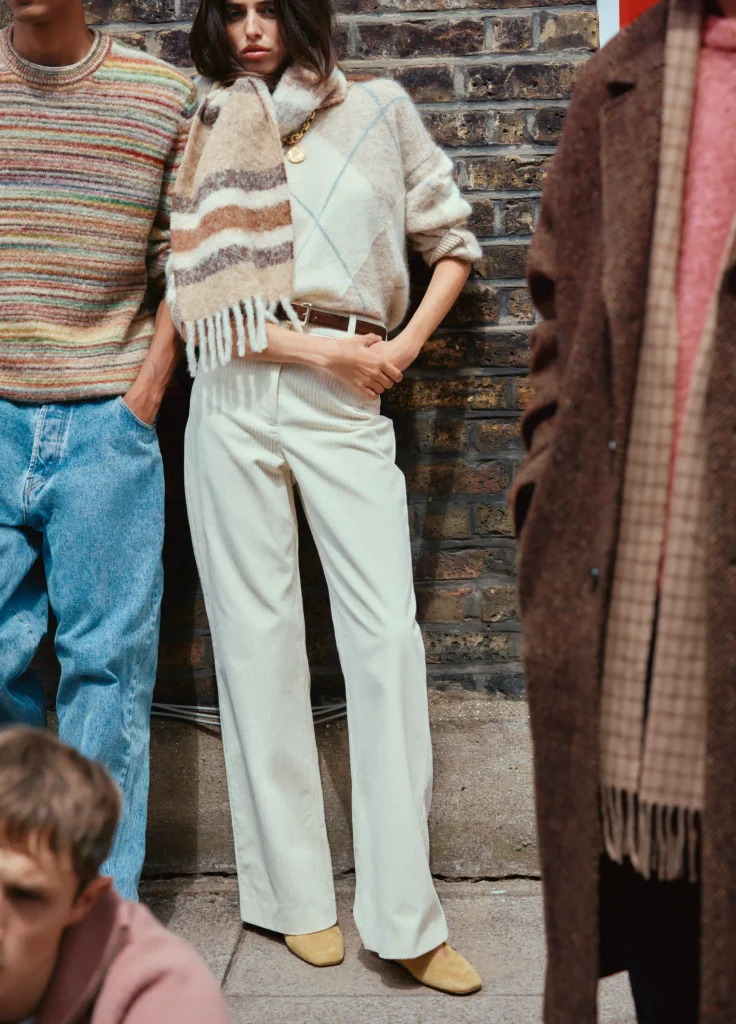
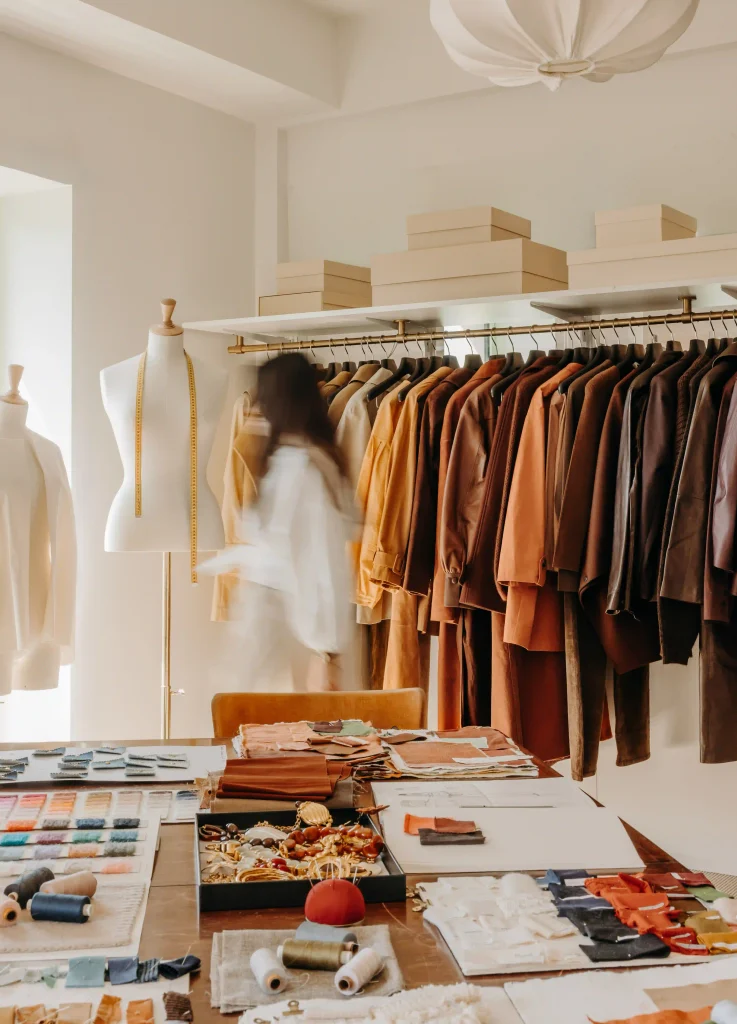
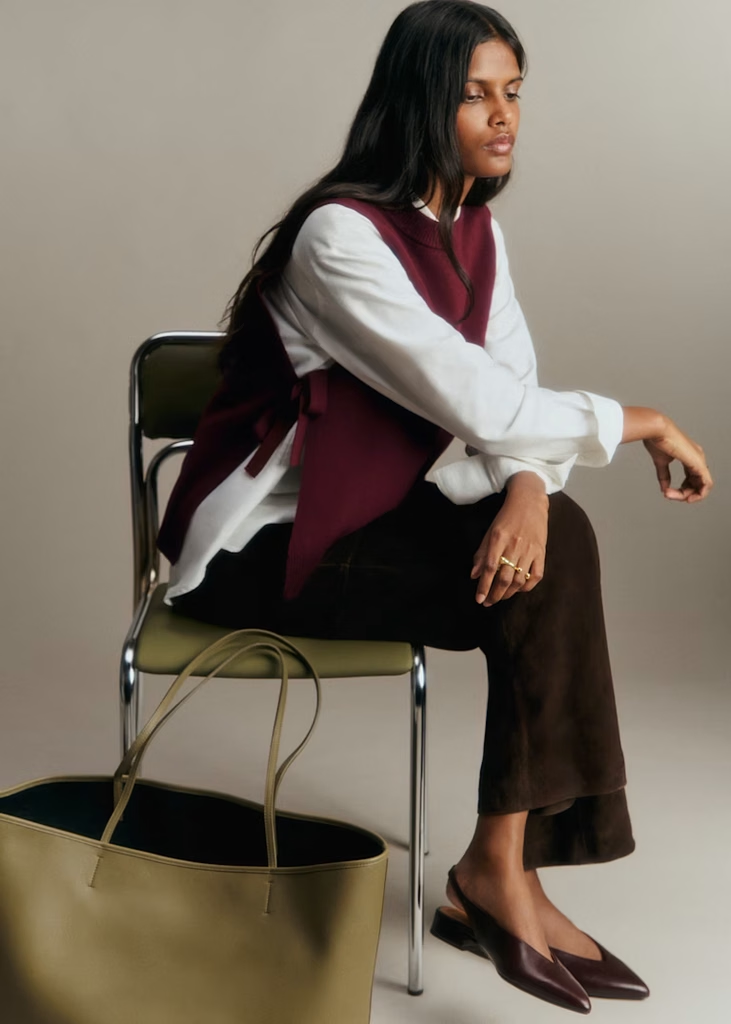
Sézane began with a bag of vintage clothes that Morgane Sezalory customised and sold online, and when her monthly drops began selling out in minutes, she launched Sézane in 2013, naming it after herself. That founder led authenticity still shapes everything the brand does. INstead of seasonal collections, Sezane releases limited edition capsules with no sales, so every drop feels like an event.
Behind the considered pieces are long standing partner ateliers, with bags crafted in Portugal and Poland, a reminder that true luxury is rooted in skilled hands. Sézane’s commitment goes beyond artisan and craftsmanship, on the 21st of every month, 10% of global turnover goes to DEMAIN, supporting children’s education and equal opportunity.
When Should Luxury Brands Use AI?
| Use of AI | Luxury-brand risk |
|---|---|
| Research, organisation and operational support | Low, AI is a great tool for research, provided human judgement remains accountable. |
| Early, visual exploration and private concept development | High; my experience working with client who come to me with AI generated ideas, tends to muddy the waters. It’s susceptible to stylistic sameness, copy write issues and to be honest likely that your competitors are suing the same strategies and ideas. |
| Supporting a clearly authored creative concept | Context-dependent; Always ensure strong human authorship is visible. |
| Replacing commissioned artists, photography, models or product truth | High, particularly when craft and originality justify the price. AI need direction not the other way round. |
Conclusion
I don’t think brands need to compete with AI on volume, speed or visual spectacle. They should compete on what abundance makes scarce: discernment, cultural depth, material truth and a recognisable human point of view. In an age when any brand can generate the appearance of artistry, the new luxury is not just a hand-drawn aesthetic. It is evidence of the human hand: time, thought, skill and a point of view that cannot be summoned from a prompt.