
The most exciting shifts in beauty aren’t happening in boardrooms of global giants, they’re unfolding in the studios of independent sustainable beauty brands rewriting what luxury looks, feels and sounds like. These brands don’t use sustainability as a marketing hook, buzzword or a checkbox; instead, they weave it into every decision, from the weight of a glass bottle to the story on the side of a box.
For today’s consumer, eco-conscious design is no longer a “nice to have.” It’s a marker of sophistication, a sign of a brand that thinks beyond the moment. And for founders, this is where the opportunity lies: sustainability isn’t a limitation, it’s a design language, one that signals refinement, trust, and timelessness.
In this piece, we spotlight four independent beauty houses, each showing how sustainability can be elevated into a competitive advantage. Because inspiration without application doesn’t build brands, each case study concludes with a Toolkit for Action, practical strategies you can immediately implement in your own business as a founder.
Sustainable Beauty Brand Spotlights: Eco-Luxury Done Right
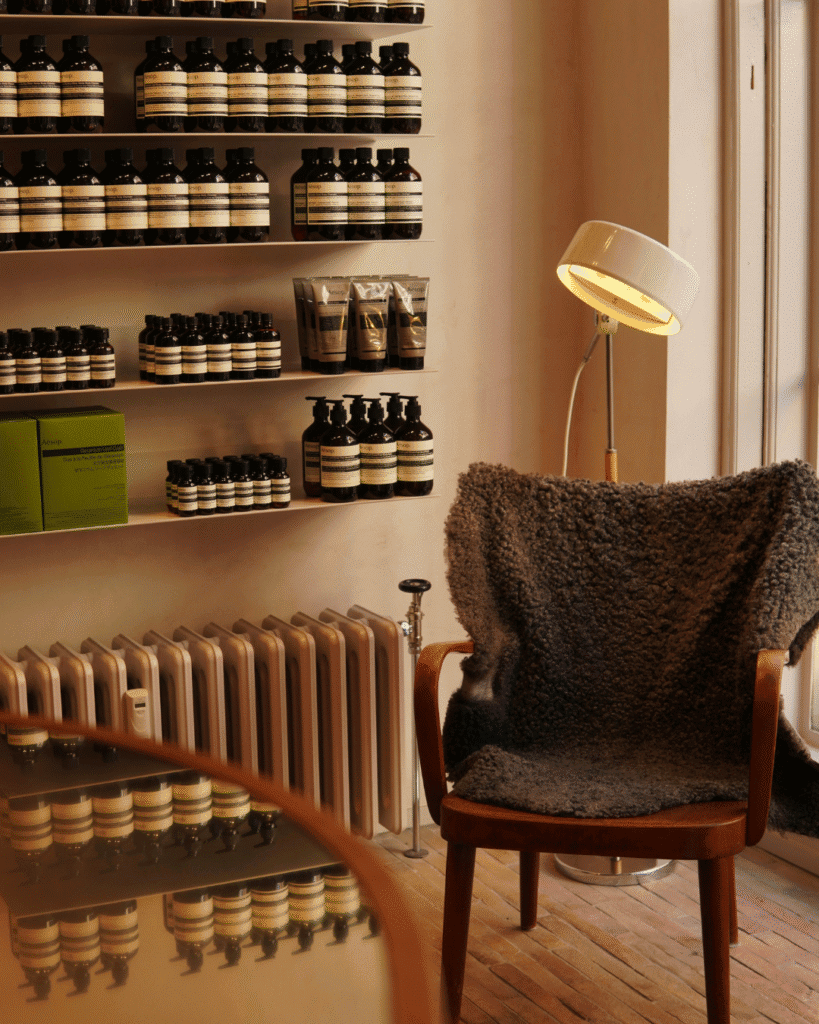
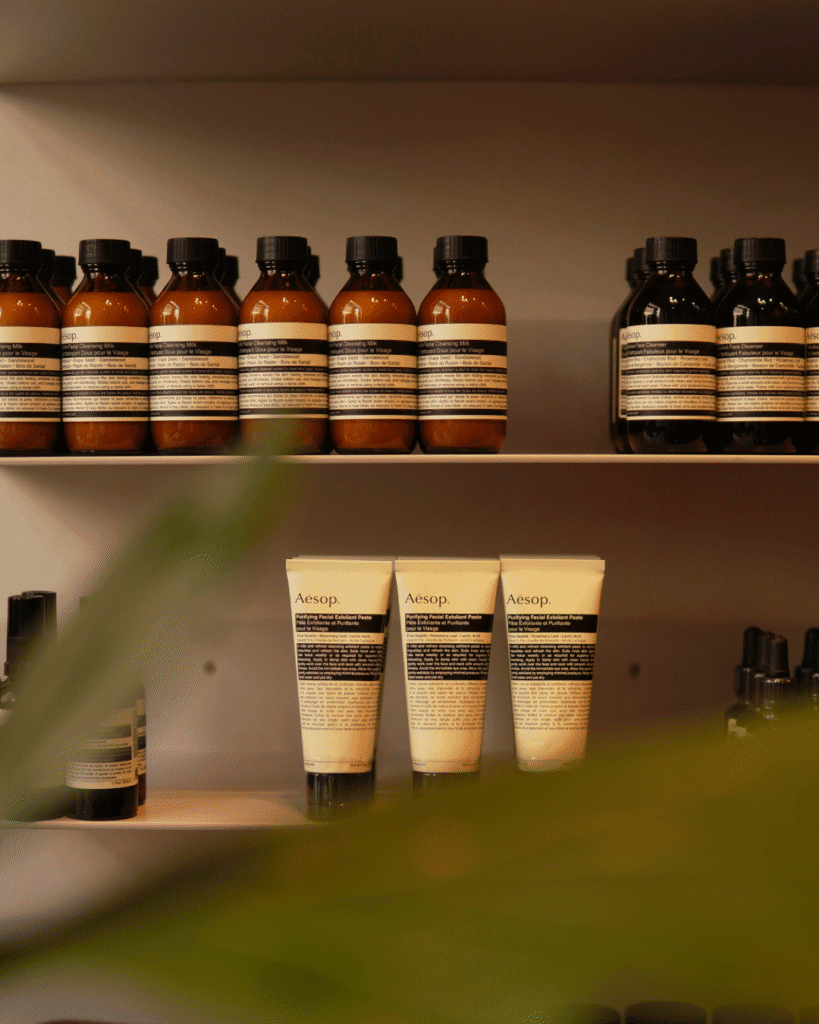
1. Aesop: The Stealth Luxury Model
Aesop has been B Corp certified with carbon-neutral operations since 2020. Their 500mL bottles use 97% recycled plastic, while their refill programme operates across 150+ stores. Their apothecary-inspired aesthetic makes recycled materials feel elevated and intentional.
Aesop doesn’t lead with sustainability messaging; it’s seamlessly embedded in their understated brand voice. Environmental responsibility emerges naturally from craftsmanship-focused storytelling. This operational approach to eco-friendly practices creates an authentic positioning that competitors find difficult to replicate.
Strategist’s Toolkit:
Embed Sustainability Silently – Never lead with environmental claims. Let sustainable practices emerge naturally through operational excellence and brand storytelling.
Elevate Recycled Materials – Transform recycled content through sophisticated design language. Apothecary aesthetics make sustainable materials feel intentional, not compromised.
Operational Integration – Build sustainability into systems (refill programs, energy efficiency) rather than marketing messages. Authenticity comes from doing, not declaring.
2. Kjaer Weis: Luxury Sustainable Beauty
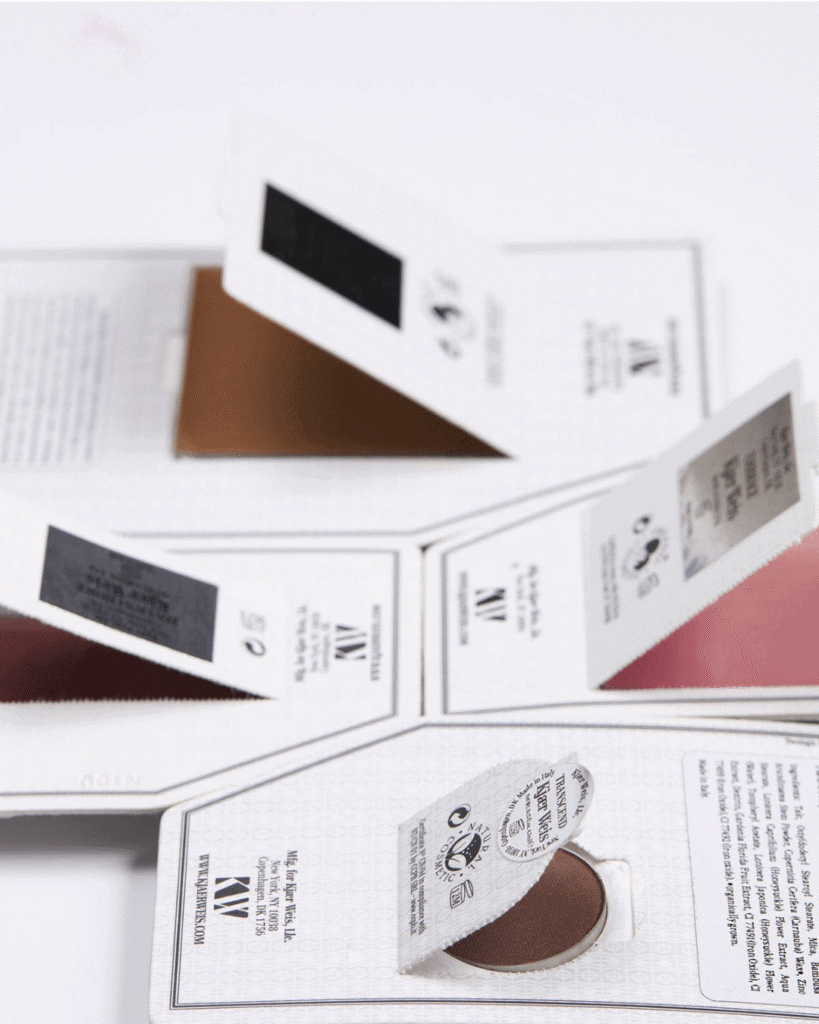
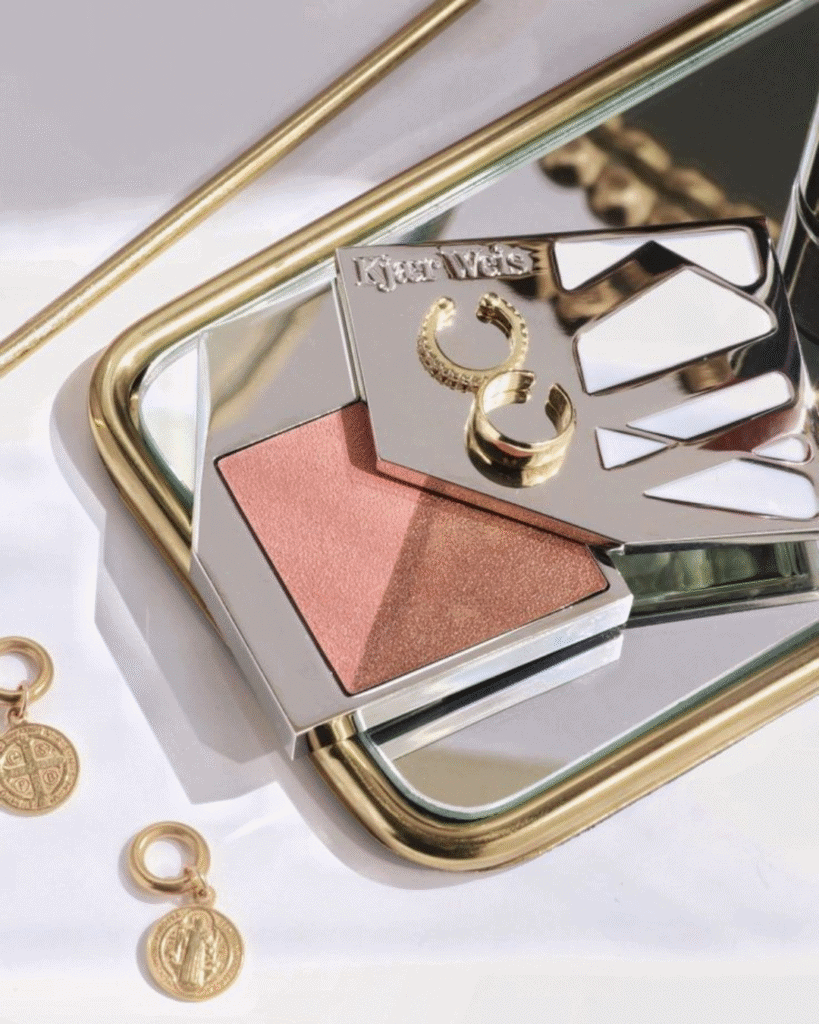
Launched in 2010 with refillable packaging and 100% certified organic formulations, Kjaer Weis set new standards for high-end sustainable beauty.
Their magnetic closure systems allow infinite refills, reducing waste by 80% through compacts that feel more luxurious than disposables. They’ve positioned refillable systems as aspirational luxury, not obligation. By making their eco-friendly options surpass traditional alternatives, sustainability becomes a luxury upgrade rather than a compromise.
Strategist’s Toolkit:
Refillable as Premium – Design refill systems that feel more luxurious than single-use alternatives. Magnetic closures, weight, tactile materials signal quality.
Aspirational Positioning – Frame sustainable choices as exclusive access and luxury upgrades, never as sacrifices or ethical obligations.
Performance Parity – Ensure sustainable formulations match or exceed conventional alternatives. Never ask consumers to compromise efficacy for environmental values.
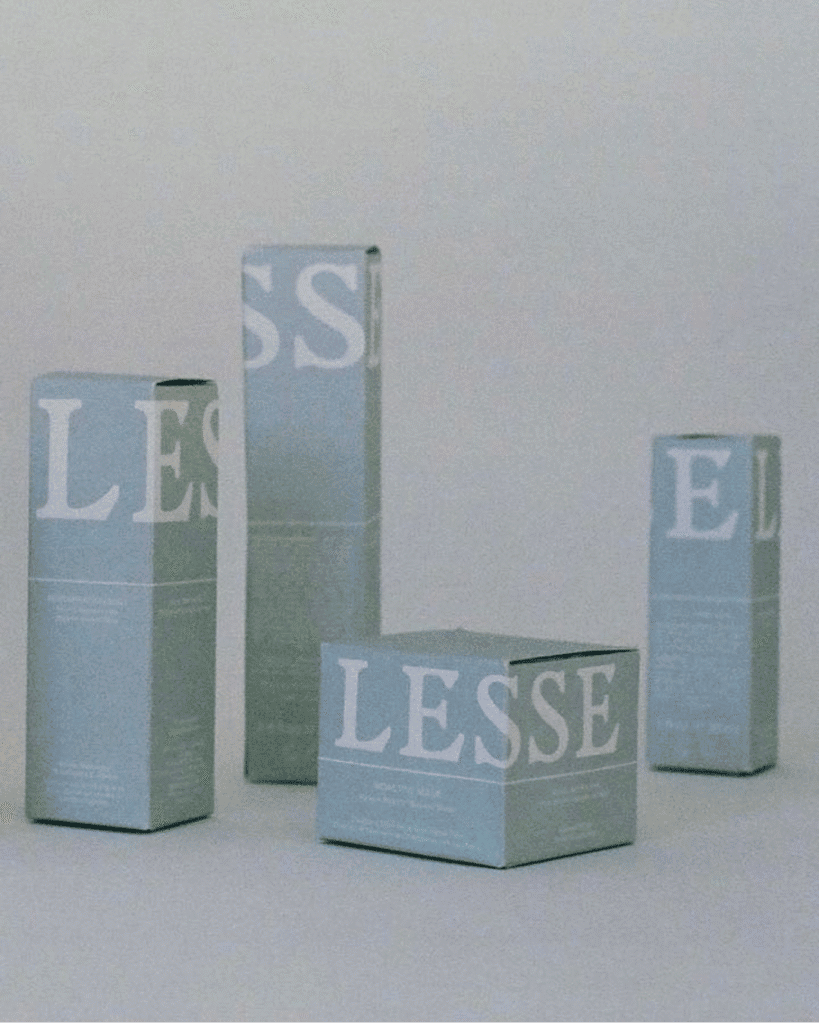
3. Lesse: Minimal, Ritual-Driven Skincare
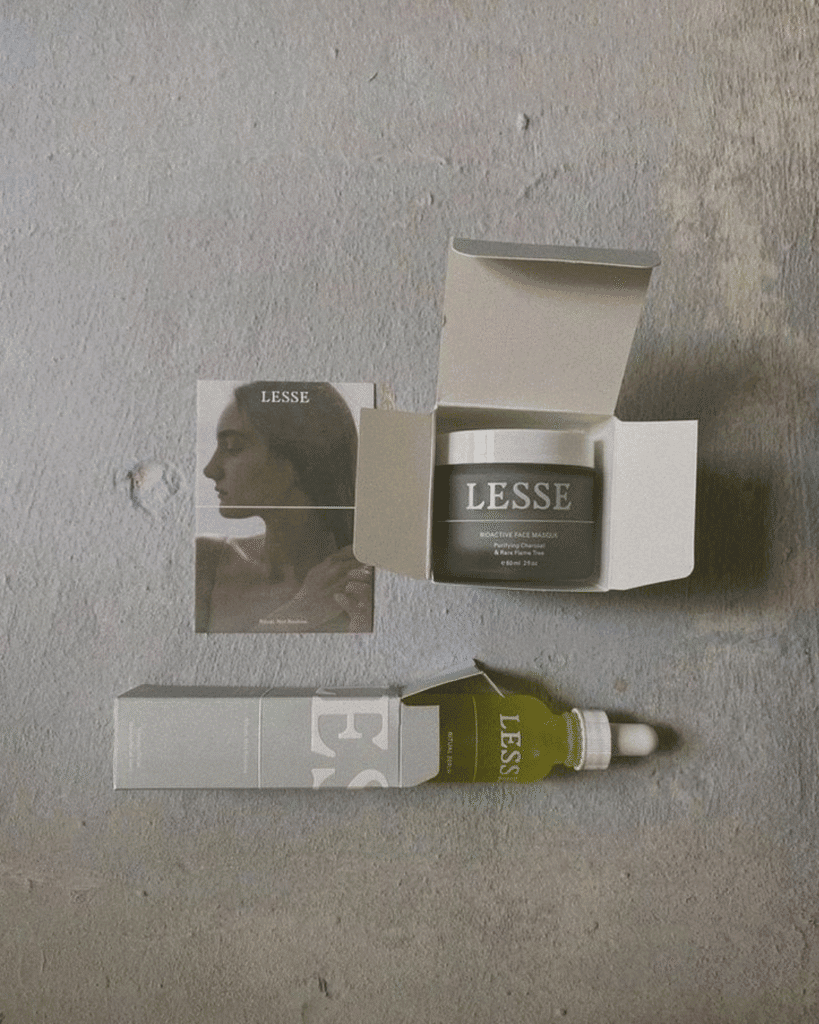
Minimal, ritual-driven skincare rooted in organic formulations and understated design. Their packaging feels like objects worth keeping, glass and tactile materials that double as decor signal sophistication through restraint.
Lesse champions multi-purpose products with reduced SKUs. Fewer products used more intentionally create sustainable luxury cues that feel both mindful and refined. Their stripped-back branding communicates purity and confidence.
Strategist’s Toolkit:
Design for Longevity – Create packaging worth keeping. Glass, metal, and tactile materials that double as decor signal sophistication.
Simplify the Ritual – Reduce SKUs and champion multi-purpose products. Fewer products used intentionally equals sustainable luxury.
Show Restraint – Minimalism is clarity, not emptiness. Stripped-back branding communicates confidence.
4. Palm of Feronia: Story-Driven Sustainability
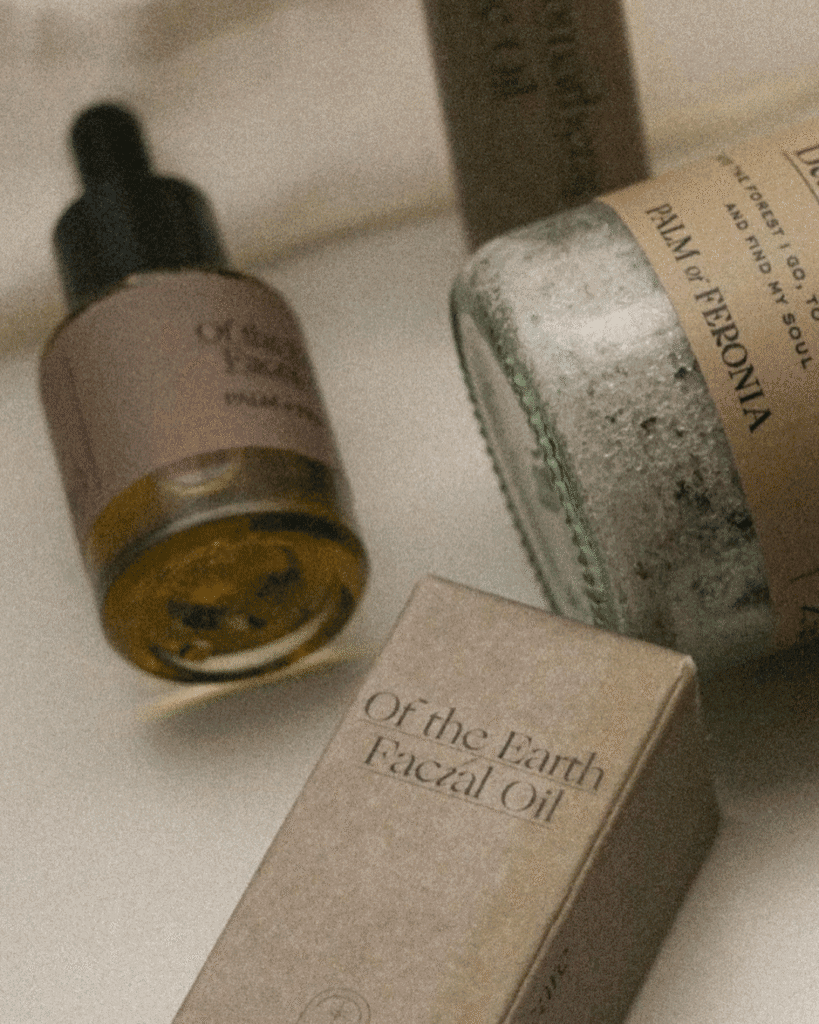
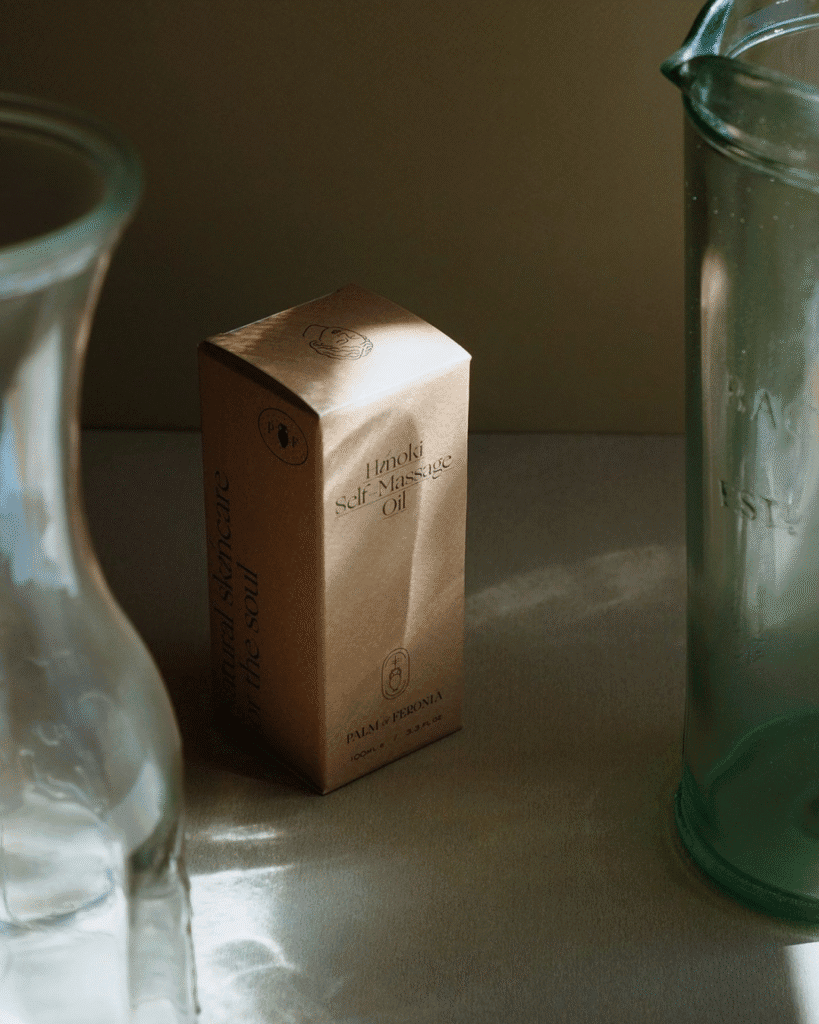
Strong storytelling and sustainability pledges woven into brand identity. They use heritage, ritual, and philosophy as connecting threads, making the brand feel like a personal journey rather than a transaction.
Palm of Feronia frames eco-conscious practices as care for both self and planet, transforming sustainability from obligation into emotional luxury. Their small-batch, artisanal methods create intimacy that scales trust in luxury markets.
Strategist’s Toolkit:
Make the Brand a Journey – Use heritage, ritual, or philosophy as threads through all touchpoints.
Sustainability as Spirituality – Frame eco-practices as care for self and planet, turning sustainability into emotional luxury.
Handcrafted Authenticity – Show small-batch, local methods. In luxury, intimacy scales trust.
What These Brands Understand
None of these brands perform sustainability; they inhabit it. The luxury sustainable beauty market rewards brands that make environmental responsibility feel inevitable rather than effortful.
This resonates because sophisticated consumers distinguish between authentic environmental stewardship and performative green marketing. They’re drawn to brands where sustainability emerges from operational excellence rather than marketing necessity.
Conclusion
Today’s luxury consumers no longer see sustainability as a “bonus”; they expect it as a marker of refinement. They associate eco-conscious design with sophistication, trust, and timelessness, not sacrifice. When sustainability feels effortless and embedded, it signals true luxury because it reflects care, thought, and long-term value.
The brands that will own luxury sustainability aren’t adding green elements to existing strategies. They’re rebuilding entire brand architectures around environmental responsibility as the foundation of exceptional design. In a sector facing increased transparency scrutiny, lasting success belongs to brands that understand environmental responsibility as a strategic advantage rather than an ethical obligation.
These sustainable beauty brands prove that when eco-friendly practices are genuinely integrated into brand identity, they achieve competitive advantages traditional beauty marketing cannot match. For clean beauty founders, the question isn’t whether to embrace sustainable design principles, but how quickly you can weave authentic environmental leadership into your brand’s foundation. Today’s conscious consumers seek eco-luxury experiences that feel as sophisticated as they are principled.
SHOP
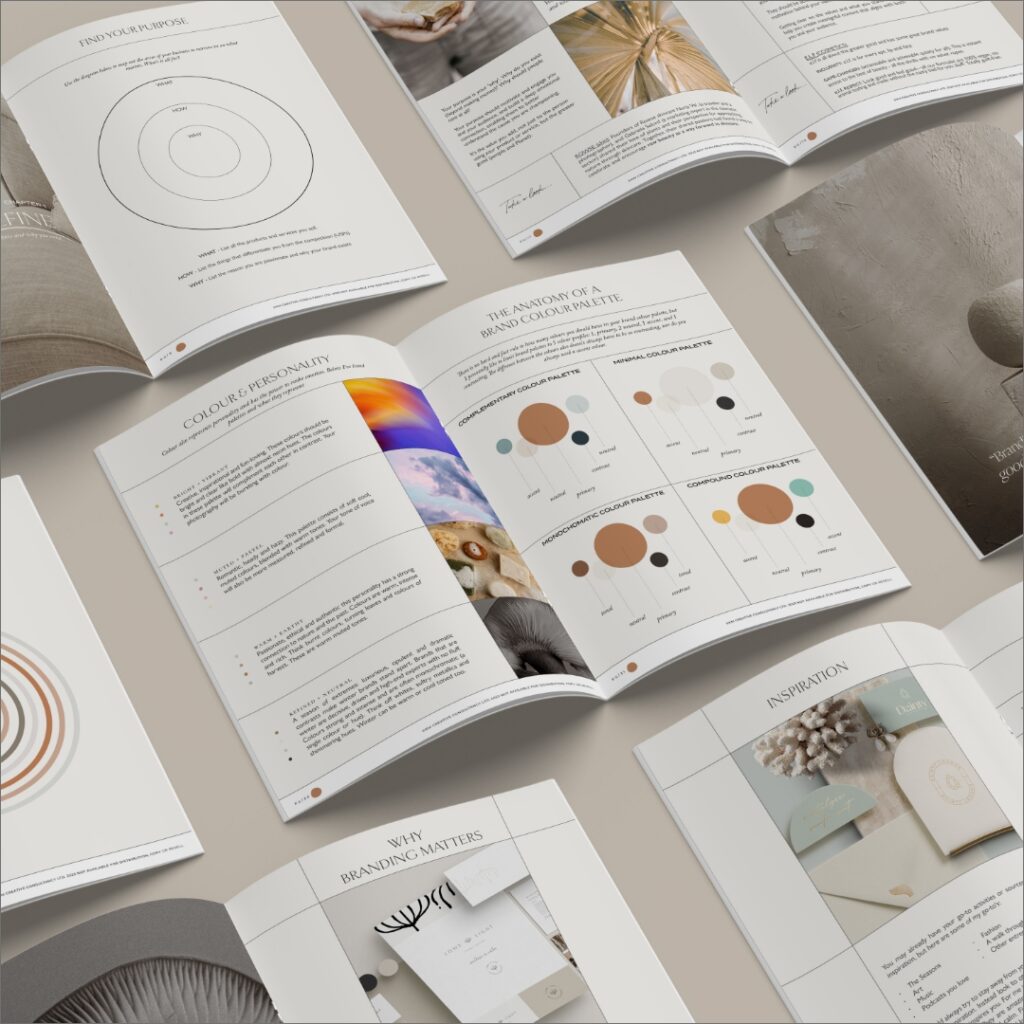
The Holistic Brand Planner and Workbook
If you’re ready to go deeper into building a brand that truly resonates, one that balances beauty, purpose, and profitability, explore my Holistic Brand Planner. It’s the same strategic framework I use to help founders bring their vision to life with clarity and confidence.